Understanding Dental Needs in 2026
As we step into 2026, the landscape of dental care is evolving rapidly, driven by advancements in technology, changes in patient expectations, and a growing emphasis on preventative care. More than ever, individuals are seeking not just treatment for existing dental issues, but comprehensive solutions that promote long-term oral health. To navigate this complex environment, it’s crucial to understand modern dental care expectations and how they align with your personal dental health needs. If you are looking for the perfect dentist to meet these needs, view it now for local options tailored to your requirements.
1. Modern Dental Care Expectations
Today’s patients expect a dental experience that’s not only efficient but also compassionate and knowledgeable. There is a heightened awareness of oral health's link to overall health, which drives patients to seek regular check-ups and preventive treatments. This expectation extends beyond the clinic, where patients now research their conditions and treatment options online. They anticipate a collaborative approach where their input is valued and considered in treatment decisions.
2. Common Dental Issues and Their Solutions
Among the most prevalent dental issues faced today are cavities, gum disease, and tooth sensitivity. Cavities, often caused by plaque buildup leading to decay, can be efficiently addressed with regular cleanings and fluoride treatments. Gum disease, which affects a significant portion of the adult population, can often be reversed with improved oral hygiene and professional cleanings. Tooth sensitivity may require specific desensitizing treatments or changes in oral care products. Keeping informed about these common problems can help patients ask the right questions and seek proactive care.
3. How to Assess Your Dental Health Needs
Assessing your dental health needs begins with understanding your personal risk factors, such as genetics, lifestyle, and existing health conditions. Regular self-examinations at home, combined with professional assessments from your dentist, can provide a clear picture of your oral health. Utilizing tools like digital dental charts can also help keep track of your progress and treatment history, ensuring that you are well-prepared for discussions during appointments.
Finding a Dentist: Essential Tips
Finding the right dentist can significantly impact your dental care experience. Factors to consider include location, services offered, and the dentist's credentials. The importance of local search for dental services cannot be overstated; more people are looking for local options that fit their specific needs and schedules. Evaluating dentist credentials and reading reviews will provide insight into their expertise and the quality of care they provide.
1. Importance of Local Search for Dental Services
Proximity matters when choosing a dentist. Local dental practices offer advantages such as familiarity with community health trends and easier appointment scheduling. Additionally, emergency situations can be handled more efficiently when your dentist is nearby. Online platforms increasingly allow you to filter searches by distance, making it easier than ever to find local specialists who meet your needs.
2. Evaluating Dentist Credentials and Reviews
Before committing to a dental practice, investigate the dentist's credentials, including education, certifications, and years of experience. Online reviews can provide valuable insights into patient satisfaction. Look for feedback on the dentist's communication style, the cleanliness of the practice, and the friendliness of the staff. These factors can significantly influence your overall experience.
3. The Role of Technology in Finding Dentists
Technology plays a pivotal role in connecting patients with dental care. From telehealth consultations to appointment booking systems, technology streamlines the process of finding and accessing dental services. Many platforms now allow you to view available appointment slots in real time, making it easier to integrate dental visits into your busy schedule.
Booking Your Appointment: A Seamless Process
The process of booking a dental appointment has become remarkably simple thanks to technological advancements. Many dental practices now offer online booking systems, which allow patients to secure appointments within minutes. Understanding how to navigate these systems can enhance your dental care experience significantly.
1. How to Book Appointments Online
Online booking systems vary by practice but generally require minimal information to secure an appointment. You can expect to provide personal details, including your name, contact information, and the reason for your visit. Many systems are designed to be intuitive, allowing even the least tech-savvy individuals to book appointments with ease.
2. Utilizing Mobile Apps for Dental Scheduling
Mobile applications have made accessing dental care even more convenient. Many dental offices provide dedicated apps that not only facilitate appointment bookings but also allow you to manage your dental history, receive reminders for check-ups, and access educational resources. These apps make staying on top of your oral health simpler than ever.
3. The Benefits of Real-Time Availability Systems
Real-time availability systems empower patients to view and select appointments according to their schedules. This feature eliminates the back-and-forth communication often associated with traditional booking methods, allowing you to confirm your appointment immediately. Such systems also enhance the practice’s efficiency by minimizing no-shows.
Patient Experiences: What to Expect
Understanding what to expect during a dental appointment can alleviate anxiety and help you prepare for your visit. Patients should be well-informed about the entire process, from the initial greeting to the post-appointment care.
1. Preparing for Your First Visit to the Dentist
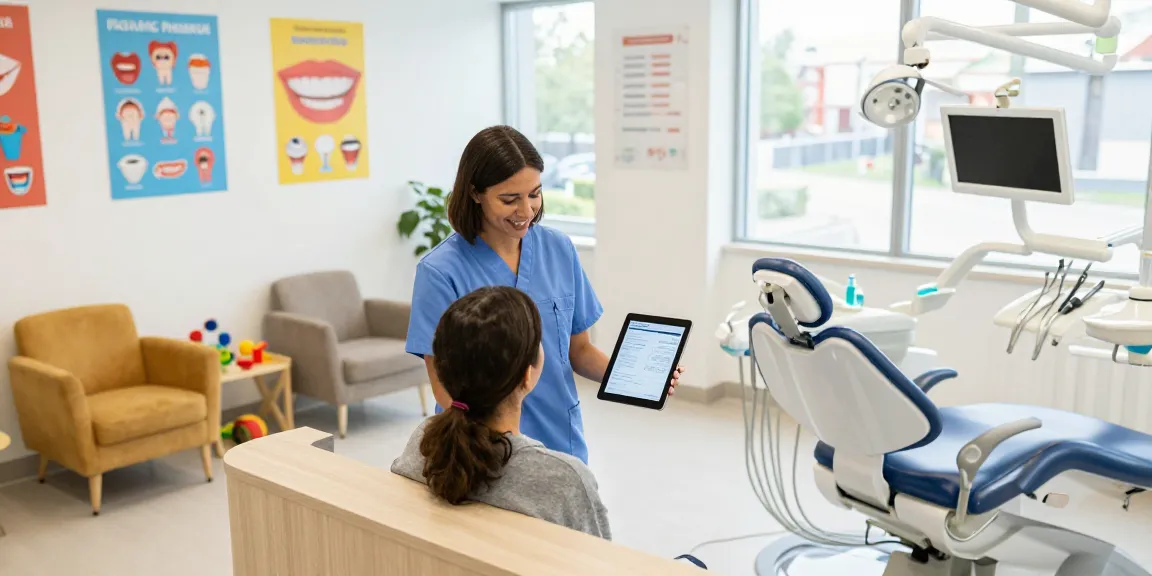
Preparation is key for a successful first visit. Arriving early allows you to fill out necessary paperwork without feeling rushed. Additionally, having a list of any questions or concerns can help you engage more meaningfully with your dentist during the appointment.
2. Understanding Different Dental Procedures
Many patients are unfamiliar with various dental procedures, which can lead to anxiety. Understanding the steps involved in common treatments, such as fillings or root canals, helps demystify these processes. Don’t hesitate to ask your dentist for detailed explanations regarding any procedures recommended for you.
3. Post-Appointment Care and Follow-Up Tips
After your visit, it’s vital to follow any care instructions provided by your dentist. This may include dietary restrictions or specific oral hygiene practices. If you experience any discomfort, don't hesitate to reach out to your dental office. Follow-up appointments may be necessary to monitor your dental health and address ongoing concerns.
Future Trends in Dental Care
As we look toward the future, several trends are reshaping dental care. Innovations in technology, a focus on preventive practices, and evolving patient behaviors are driving significant changes within the industry.
1. Innovations in Dental Technology
Technological advancements are transforming how dental care is delivered. Innovations like 3D printing, laser dentistry, and digital scanning offer more precise and less invasive treatment options. These tools not only improve outcomes but also enhance the overall patient experience.
2. The Shift Towards Preventive Dentistry
Preventive dentistry focuses on maintaining oral health through regular checkups and education rather than simply treating problems as they arise. This proactive approach encourages patients to take ownership of their dental health, leading to improved outcomes and lower overall treatment costs.
3. How Consumer Behavior is Changing Dental Practices
Consumer behavior is increasingly shaping dental practices. Patients now demand transparency regarding treatment costs and options, as well as personalized care plans. Dental offices are adapting by implementing more patient-centered practices, such as flexible scheduling and enhanced communication strategies.
What are the benefits of finding a dentist?
Finding a dentist who meets your needs can ensure that you receive high-quality care tailored to your specific dental health status. An established relationship with a trusted dentist promotes better communication, making it easier to address concerns and manage treatment plans effectively.
How can I book an appointment quickly?
Utilizing online booking systems or mobile apps can significantly expedite the appointment scheduling process. These tools often offer real-time availability, enabling you to secure an appointment that fits your schedule without unnecessary delays.
What should I expect during a dental appointment?
During a dental appointment, expect to undergo a thorough examination, which may include X-rays and discussions about your oral health history. Dentists typically take the time to explain any findings and discuss potential treatment options with you.
Why is technology important in finding a dentist?
Technology facilitates the search for a dentist by providing access to information about local practitioners, their services, and patient reviews. This immediacy equips patients to make informed decisions based on their individual preferences and needs.